
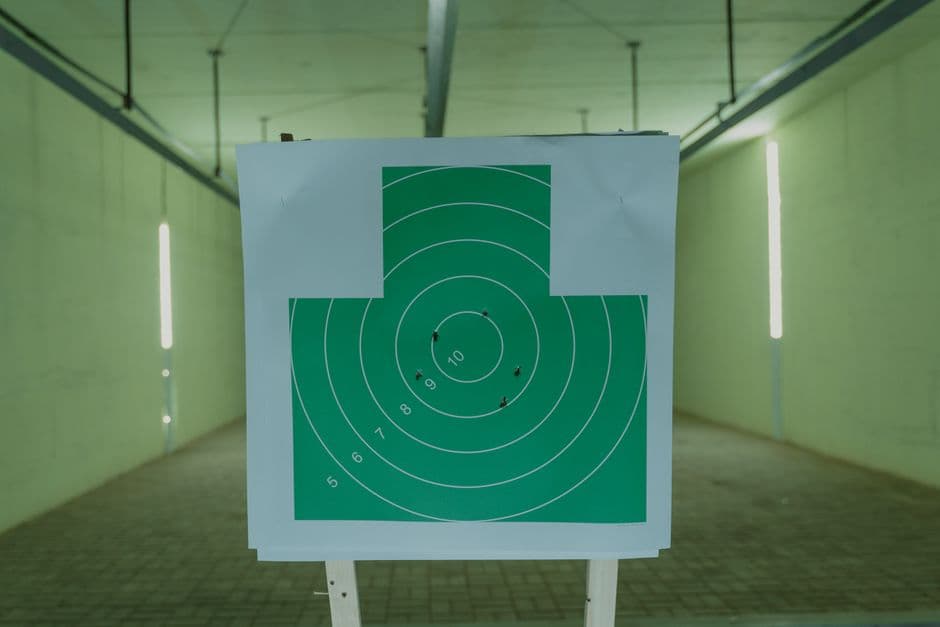
Every shooter knows the sinking feeling: a rifle that printed tight groups for months suddenly throws a wild flier, and you start chasing safety and accuracy issues instead of enjoying the range. The frustrating part is that most accuracy problems aren't mysteries. They follow patterns — predictable, diagnosable, and fixable. This guide walks through the real costs of accuracy problems, the root causes that keep catching shooters off guard, and a step-by-step plan to resolve them for good. Whether you're a hunter, a competition shooter, or a weekend plinker, the principles are the same: treat your shooting like a system, audit it honestly, and fix one variable at a time.

Key Takeaways
- Most accuracy issues trace back to a handful of fixable causes: loose hardware, inconsistent technique, or bad data — not a "bad gun."
- Small errors compound. A quarter-MOA problem here and a third-MOA problem there adds up to a rifle that looks broken when it isn't.
- The fastest fix is a structured diagnostic that changes exactly one variable per test.
- A simple logbook — your personal data governance — prevents most accuracy problems from ever returning.

The Hidden Costs of and Accuracy Issues

When groups open up, the first instinct is to blame the ammunition or the rifle. But the true cost of chronic accuracy problems runs deeper than a box of ruined cartridges. Every frustrating range session chips away at your confidence, and confidence is a real, measurable part of shooting well. A hunter who doubts their zero hesitates at the critical moment. A competitor who can't trust their equipment over-holds and under-performs. A new shooter who can't get consistent groups may simply quit the sport.
Real-World Impact of Accuracy Errors
The tangible costs add up fast. Consider a single afternoon chasing a problem that turns out to be a loose scope base: you've burned 60 to 100 rounds, spent two hours at the bench, and learned nothing you can reuse. Over a season, that wasted ammunition and barrel life is real money — premium match ammo runs well over a dollar per round. For hunters, the cost can be worse: a marginal hit or a wounded animal is the outcome nobody wants to live with.
The community knows this struggle well. Dedicated shooters on the Firearm Accuracy Issues with Rifles and Shotguns group trade stories and fixes daily, while over on r/longrange, Accuracy Issues threads regularly show side-by-side targets of a gun that shot half-MOA one week and three-MOA the next. The lesson from those threads is consistent: the rifle rarely changed — the system around it did.
How Small Mistakes Compound Over Time
Here's the part that surprises most shooters: accuracy problems are rarely a single dramatic failure. They're a stack of small ones. A slightly loose action screw might cost you 0.3 MOA. Parallax from an incorrectly set scope adds another few tenths. An inconsistent cheek weld drifts your point of impact. A different lot of ammunition with a slightly lower muzzle velocity shifts your zero at distance.
On their own, none of these would ruin your day. Stack them together, and a rifle that shoots 0.75 MOA suddenly prints 2.5 MOA. 7 Rifle Setup and Care Mistakes that Ruin Accuracy from Realtree lists the usual suspects — over-torqued rings, packed carbon in the barrel, a stock that touches the barrel, and loose bedding screws. One of those is a nuisance. Two or three of them together is a mystery that convinces you the gun is junk.
Root Causes of Accuracy Problems
Here's the brutal truth: accuracy problems are almost never the rifle's fault alone. A famously honest thread on the Long Range Hunting Forum asks flat out: accuracy issues — who or what is to blame? — and the consensus after hundreds of replies is humbling. The shooter is involved far more often than they'd like to admit. Equipment failures happen, but they're outnumbered by human error, process gaps, and environmental variables we failed to measure.
Human Error and Process Gaps
Let's start with the most uncomfortable category: you. Improper trigger control is the single most common cause of fliers. A trigger pulled with the whole hand instead of the pad of the finger yanks the muzzle right or left. Grip is right behind it — a death grip introduces tremors that turn a 100-yard group into a pattern. Inconsistent follow-through, jerking the head off the stock at the shot, and holding your breath at the wrong moment all add their own small errors.
Process gaps are quieter but just as damaging. Shooting without a routine means every shot is a slightly different experiment. No checklist before you leave the house means you might show up with a loose scope rail you'd have caught in 30 seconds. The classic mistake is changing three variables at once — new ammo, new scope, new shooting bags — and then having no idea which one was the problem. That isn't a shooting failure; it's a data failure.
Technology and Data Quality Limitations
Equipment does fail, of course, and when it does, it's rarely dramatic. Scope internals can shift, especially in cheap optics. Parallax error is constant if the diopter isn't set for your eye. A muzzle brake installed slightly off-axis can throw bullets consistently in one direction. And ammunition — even from the same box — isn't identical. A high extreme spread in muzzle velocity means your point of impact wanders with distance, no matter how well you shoot.
The data problem is just as real. A rangefinder that reads 10 yards long, a ballistic app fed the wrong bullet coefficient, or a weather meter that hasn't been calibrated will all produce a confident, precise-feeling miss. Bad data gives you confident misinformation, which is worse than no data at all. When the forum threads and accuracy discussions dig into the details, a surprising number of "inexplicable" fliers turn out to be a wrong wind call or a dope card that was never verified in the field.
A Step-by-Step Plan to Resolve and Accuracy Issues

The good news is that a methodical approach resolves the vast majority of accuracy issues within a single range session. The rule is simple: change exactly one variable at a time, and measure everything. For a structured path through the most common culprits, Diagnosing Accuracy Problems from Silencer Central is a great reference — it walks through the same logic in clear, practical order.
Step 1: Audit Your Current Workflow
Before you fire a single shot, do a physical audit. Torque the action screws to spec — most rifles prefer 35–65 in-lbs, but check your manual. Verify the scope rings are tight and the reticle is level. Check that the barrel doesn't touch the stock anywhere along its length. Clean a fouled barrel or, conversely, stop cleaning a barrel that's shooting well — both are real scenarios. Bring at least two different ammunition lots if you have them.
Then audit yourself. Set up the same position you'd use in the field or at a match. Do three dry-fire repetitions and watch your reticle: if it jumps when the sear breaks, your trigger control is the problem. The audit isn't about fixing anything major yet. It's about removing the boring, obvious causes so they can't hide the interesting ones.
Step 2: Implement Robust Validation Checks
Once the basics are sound, build a validation protocol. Shoot a five-shot group from a solid rest — not three, because the fourth and fifth shots are where inconsistencies reveal themselves. Record the group size. Then change one thing: swap ammunition lots, adjust the cheek weld, or test with and without a muzzle device. Shoot another five-shot group. Compare.
A chronograph is one of the most valuable validation tools you can own. A Garmin Xero or MagnetoSpeed tells you whether your handloads are consistent and whether your scope adjustment actually matches the click value. If one inch of adjustment at 100 yards moves impact 1.2 inches, that's a scope tracking problem, not a shooting problem. Every variable you measure shrinks the list of possibilities from "everything" to "something specific."
Step 3: Train and Empower Your Team
If you're a solo shooter, "your team" is you — and training is non-negotiable. Dry fire at home for ten minutes a day, focusing on trigger squeeze and follow-through. Practice natural point of aim from your dominant shooting position. Work on breathing cadence until it's automatic. The fundamentals sound boring because they are boring — but they're also where the lasting accuracy lives.
If you coach or shoot with friends, empower everyone to self-diagnose. Teach a shooter to check their own zero, clean their own barrel, and keep their own notes. A shooter who can articulate "my last three groups drifted left as the barrel heated" is infinitely easier to help than one who just says "it's not shooting good." Enable that language in your group and the whole team's accuracy improves.
Preventing Future Accuracy Challenges
Resolution feels great, but prevention is the real win. Once you've got a rifle printing tight groups again, the goal is to keep it that way through disciplined habits and the right tools.
Establishing Clear Data Governance
This is the part most shooters skip, and it's the most important. Start a logbook — a dedicated shooting journal or a simple spreadsheet — and record every session. Fields that matter: date, rifle, ammunition lot, temperature, wind, group size, range, and any changes you made. A professional long-range shooter's dope book is their most prized possession because it's a record of what actually happened, not what they hoped happened.
Treat that logbook like a database: consistent fields, regular updates, honest entries. The discipline of capturing and organising knowledge is exactly what separates accidental improvement from deliberate improvement. If you need a structure for your notes, training records, or range reports, the same principles that help you build better content system apply here too — clean labelling, consistent structure, and easy retrieval. A logbook you can search beats a memory you can't.
Leveraging Automated Monitoring Tools
Manual tracking is valuable, but modern tools can automate the tedious parts. A ballistic solver like Applied Ballistics or a Kestrel weather meter records environmental data automatically. Bluetooth-enabled chronographs log every shot's velocity and flag outliers the moment they appear. String gauges and shot-marking targets measure group size for you, removing the guesswork and the tendency to "call it close enough."
The same automation mindset that makes sense at the range applies to the business side of shooting. If you run a range, club, or coaching practice, you already know how much time admin eats. You can automate WhatsApp for small business to handle booking enquiries and reminders, and set up a WhatsApp Business Auto-Reply: 6-Step Setup Guide to answer common questions instantly. Every hour you don't spend answering the same three questions is an hour behind the rifle or in front of a student.
Final Actionable Steps to Overcome Accuracy Issues

If you take nothing else from this article, take these next steps. Do them in order this weekend:
- Torque and check every screw on the rifle, scope, and mounts before you load a single cartridge.
- Clean or foul the barrel deliberately — pick a state and record which one you're in.
- Shoot one verification group from a solid rest and write down the result.
- Change one variable — ammo lot, cheek piece height, parallax setting — and shoot another group.
- Start your logbook today, even if it's three lines in a notebook.
- Dry fire three times a week for ten minutes, focused on trigger control.
Accuracy issues are rarely mysterious and almost never permanent. They're a combination of loose hardware, lazy habits, and missing data — all of which you can fix with a wrench, a notebook, and honest practice. The rifle you thought was falling apart might simply be waiting for you to tighten a screw and tighten your fundamentals.
FAQ
Why is my rifle suddenly shooting larger groups?
The sudden change usually points to something physical: a loose action screw or scope base, a shift in the scope itself, a barrel that needs cleaning, or a change in ammunition lot. Work through the audit in Step 1 before assuming the rifle is destroyed.
Is it me or the gun?
Shoot a five-shot group from a solid rest, then have a known-accurate shooter fire the same group. If their group mirrors yours, suspect the rifle. If theirs is tight, the variable is technique — usually trigger control or follow-through.
How often should I clean my barrel for best accuracy?
There's no universal answer. Many rifles shoot best with a clean barrel; others group better when slightly fouled. The reliable approach is to test both states, record the results, and stick with whichever performs better for your specific rifle and ammo.
What's the fastest way to diagnose an accuracy problem?
Change exactly one variable per group. Start with ammunition, then scope torque, then shooter fundamentals. Keep a written record of each change and its result. Randomly swapping multiple parts at once guarantees you'll never know which one fixed it.
Can weather really affect my point of impact?
Absolutely. Temperature changes alter muzzle velocity and barrel harmonics, while air density, altitude, and wind all affect bullet flight. A load that prints one-MOA in 70-degree still air can drift noticeably in cold, windy conditions — which is why logging environmental data is a core part of preventing future accuracy surprises.
