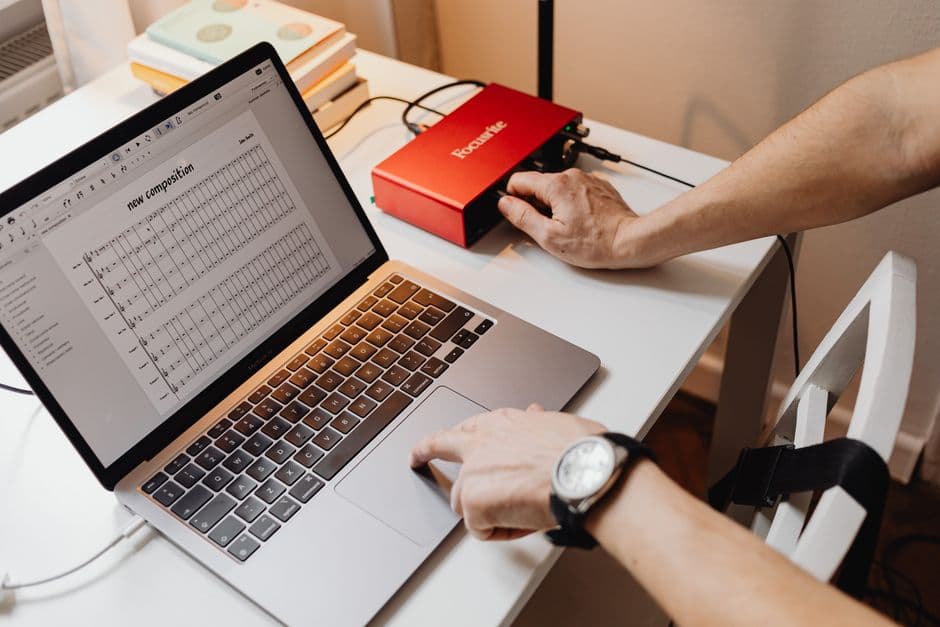
AI tools for creativity are software systems that use machine learning models to generate or assist with original artistic output, including images, music, text, and video. These platforms — such as DALL·E 3, Midjourney, AIVA, and Soundraw — let anyone generate original images and music in minutes, producing results that rival human-made work. As of 4 August 2026, these creative AI tools are practical partners for concept art, marketing visuals, background scores, and full compositions. They are not replacements for artists but accelerators that remove technical barriers and expand what one person can create alone.
AI tools for creativity learn patterns from vast training datasets and then produce new work based on text prompts, style selections, or musical parameters. The most common architectures are generative adversarial networks (GANs) and diffusion models, which power leading image and audio generators. Research on AI-driven musical composition confirms that these tools have moved beyond novelty into practical production workflows.
Key Takeaways
- AI image generators like DALL·E 3, Midjourney, and Stable Diffusion produce high-quality visuals from text prompts in under 60 seconds, making them ideal for concept art and marketing.
- AI music composers such as AIVA, Amper, and Soundraw generate royalty-free tracks with adjustable mood, genre, and length, saving creators hours of manual composition.
- Copyright is unresolved: as of 2026, AI-generated works face inconsistent legal treatment, and you should check each platform's licensing terms before commercial use. Analysis of creative AI tools highlights this as a primary concern for producers.
- The main creative risk is homogenized output — AI tends toward average results, so your own editing and prompts are what make work distinctive.
- Start small: pick one tool, experiment for a week, and combine AI output with your own edits to develop a workflow that suits your projects.

What Are the Best AI Tools for Creativity Right Now?

The best AI tools for creativity as of 4 August 2026 are DALL·E 3, Midjourney, and Stable Diffusion for images, and AIVA, Amper, and Soundraw for music. These six platforms lead their categories because they combine high output quality, accessible interfaces, and active development. Industry evaluations of AI music tools consistently rank this group at the top for usability and output quality. Each serves a slightly different use case, so the best choice depends on whether you need photorealistic images, stylized art, or full musical compositions.
Top AI Image Generators
DALL·E 3, developed by OpenAI, excels at following complex text prompts with strong compositional accuracy and integrates directly into ChatGPT, making it the most accessible option for beginners. Midjourney produces the most aesthetically polished and stylized images, favored by digital artists and designers, though it operates through Discord rather than a standalone web app. Stable Diffusion is open-source and self-hostable, giving users full control over the model and the ability to fine-tune it on custom datasets — a major advantage for studios with specific visual styles. All three generate images from natural language descriptions, and typical generation times range from 10 to 60 seconds depending on hardware and server load.
Leading AI Music Composers
AIVA (Artificial Intelligence Virtual Artist) composes orchestral and cinematic scores and is registered as a composer in its own right, with its output used in film, gaming, and advertising. Amper Music offers a drag-and-drop interface where users select mood, genre, and instrumentation, then receive a fully mixed track in under a minute. Soundraw focuses on customizable royalty-free music, letting users generate a base track and then adjust individual elements like tempo, key, and instrument intensity. As of 2026, these platforms collectively serve creators who need background music, underscore, or complete songs without hiring a session musician or licensing expensive catalogs.
How Can AI Image Generators Enhance Your Creative Work?
AI image generators enhance creative work by compressing the time from idea to visual from hours to under a minute, which directly benefits concept art, storyboarding, and marketing production. They also lower the cost barrier: a single Midjourney subscription costs roughly USD 10 per month as of 2026, compared to hiring an illustrator at USD 50–150 per hour. The practical result is that creators can explore dozens of visual directions in a single sitting, then refine the strongest candidates.
Speed Up Concept Art and Storyboarding
Concept artists and filmmakers use AI generators to produce rapid visual prototypes, testing lighting, composition, and character designs before committing to expensive manual work. For example, a storyboard artist can generate 20 variations of a scene in 30 minutes, then select three to redraw by hand with proper continuity. This workflow is documented across production pipelines, where AI-generated images serve as reference boards that communicate a director's vision to the rest of the crew. The speed advantage is substantial: generating a single concept image takes 10–60 seconds, whereas a traditional concept painting typically takes 4–8 hours.
Create Custom Visuals for Marketing and Social Media
Marketing teams use AI image generators to produce campaign visuals, social media posts, and product mockups without waiting for photoshoots or stock photo searches. A small business can generate a month of social media graphics in one afternoon, matching brand colors and style through careful prompt engineering. This is particularly valuable for teams with limited budgets, since the cost per image drops to fractions of a cent when spread across a subscription. For a business producing 30 social posts monthly, the cost with a USD 10 Midjourney subscription is approximately USD 0.33 per image — versus USD 50–150 per hour for a traditional illustrator. However, for commercial use, you must verify the platform's licensing terms, as some tools restrict how generated images can be sold or used in advertising.
What Are the Licensing Terms for Commercial Use?
Licensing terms vary significantly across AI image platforms. Midjourney's paid plans grant broad commercial rights to subscribers, while free-tier users historically received limited usage rights. DALL·E 3 through ChatGPT assigns ownership of generated images to the user, permitting commercial use. Stable Diffusion's open-source license allows unrestricted use, including commercial applications, provided you comply with the model's specific terms. Documentation on AI creative platforms emphasizes that commercial users should verify current terms before launching campaigns, as policies evolve with regulatory changes.
How Can AI Music Tools Transform Your Composition Process?
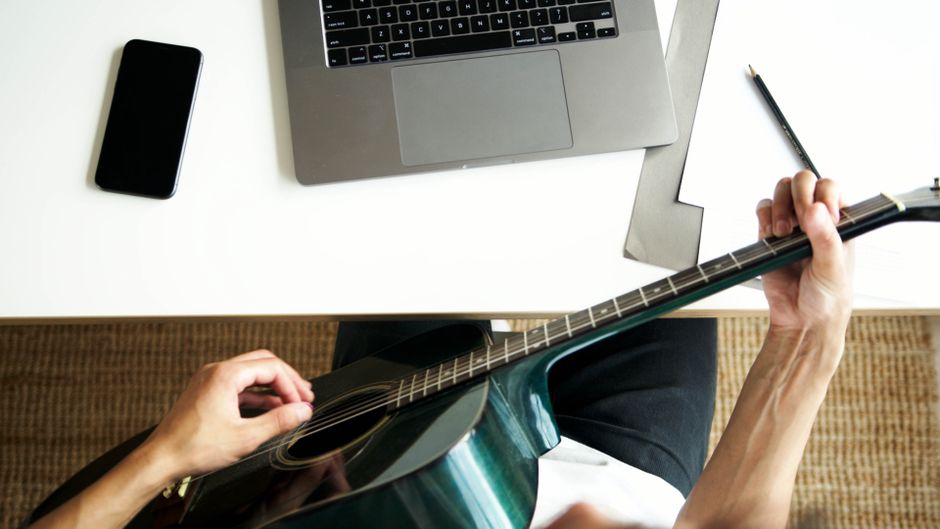
AI music tools transform composition by automating the two most time-consuming stages — generating initial material and producing a mixed, mastered track — so composers can focus on arrangement and emotion. As of 2026, these platforms generate complete tracks in 30 seconds to 2 minutes, a process that traditionally takes days or weeks. The transformation is most dramatic for content creators who need consistent, high-quality background music on a production schedule.
Generate Royalty-Free Background Tracks Instantly
Content creators for YouTube, podcasts, and video use AI music tools to generate royalty-free background tracks in the exact length, mood, and genre they need, eliminating the risk of copyright strikes. Soundraw, for instance, lets you specify duration, tempo, and intensity, then generates a track that you can further edit by removing or rearranging sections. This is a direct replacement for stock music libraries, which charge per-track fees or annual subscriptions and often force creators to compromise on fit. As of 2026, the licensing models of these platforms explicitly permit use in monetized content, though you should confirm the specific terms for your distribution platform.
Customize Mood and Genre with Simple Controls
Modern AI composers replace complex music theory knowledge with simple controls: you select a genre from a dropdown, choose a mood from a grid, and set a tempo slider. Amper Music pioneered this approach, allowing a user with no musical training to produce a polished track by adjusting these parameters alone. AIVA goes further by letting you upload a reference melody or select from compositional styles like "Romantic" or "Minimalist," then generating a full orchestral arrangement around your input. The result is that mood and genre customization takes seconds, not the hours required to manually program each instrument part.
What Musical Parameters Can Users Control?
The control surface varies by platform, but the most common parameters include tempo (typically 60–180 BPM), key signature, instrumentation, and energy level. Soundraw offers granular control over individual track sections, letting users remove or repeat specific bars. AIVA provides style presets and reference uploads. A comparative review of AI music production tools found that platforms offering section-level editing produce significantly more usable results than those that only generate whole tracks.
What Are the Limitations and Ethical Considerations of AI Creativity?
The main limitations of AI creativity are unresolved copyright questions and a tendency toward homogenized output, both of which require active management from the user. These issues are not deal-breakers, but they shape how and where AI-generated work can be used. Understanding them is essential for anyone producing commercial work.
Copyright and Ownership Issues
Copyright law has not caught up with AI-generated content, and as of 2026, the legal status varies by jurisdiction and by the specific tool's terms of service. In the United States, the Copyright Office has ruled that works generated entirely by AI without human authorship are not eligible for copyright protection, while works with significant human creative input may qualify. Each platform also has its own licensing terms: some grant users full commercial rights to generated output, while others retain certain rights or restrict use in specific contexts. Academic research on AI in creative fields documents these legal inconsistencies across major markets. Before using AI-generated images or music commercially, review the platform's license agreement and, for high-stakes projects, consult a lawyer familiar with AI law.
The Risk of Homogenized Output
Because AI models are trained on large datasets of existing work, they tend to produce results that cluster around an "average" aesthetic, making it harder to achieve a distinctive voice. This is a documented concern in creative fields, where the ease of generation can lead to a flood of similar-looking images and similar-sounding music. Studies of AI-generated creative output note that models trained on broad datasets consistently produce outputs that cluster around median aesthetics. The practical mitigation is to treat AI output as raw material rather than finished work: refine, combine, and edit the results, and invest time in crafting specific prompts that push the model away from its defaults. The creators who stand out are those who use AI to accelerate their own vision, not those who publish unedited generations.
How to Start Using AI Tools for Creativity Today

To start using AI tools for creativity today, choose one image generator and one music tool, commit to a week of experimentation, and integrate the best outputs into a project you already have. The goal is not to master every platform but to build a repeatable workflow that saves you time. Most tools offer free tiers or trial credits, so the initial cost is minimal — often zero for the first 10–50 generations.
Pick a Starting Tool and Experiment
Begin with a tool that matches your existing skills: if you already use ChatGPT, start with DALL·E 3 inside it; if you want maximum aesthetic quality, choose Midjourney; if you need open-source flexibility, install Stable Diffusion locally. For music, start with Soundraw if you need quick background tracks, or AIVA if you want orchestral compositions. Spend your first week generating 20–50 images or 10–20 tracks, and keep a log of which prompts produce the results you like. This experimentation phase is how you learn the "language" of each model — the specific phrasing and parameters that yield good output.
Combine AI Outputs with Your Own Editing
The most effective workflow treats AI as a collaborator, not a final answer: generate multiple options, select the strongest, then edit them in your usual software. For images, this means compositing in Photoshop or similar tools, adjusting colors, and adding your own elements. For music, it means importing the generated track into your DAW (digital audio workstation) and adding vocals, live instruments, or additional arrangement. Guidance on AI in creative production emphasizes that hybrid workflows — AI generation plus human editing — produce the most distinctive and commercially viable results. This combination is what distinguishes professional use from amateur novelty, and it also strengthens your legal position by adding human authorship to the work. The best AI tool is the one you will actually use; a tool that sits unused provides no value.
Conclusion: Embrace AI as Your Creative Partner
AI tools for creativity are not a replacement for human imagination; they are the fastest way to move an idea from your head into a tangible form. The practical path forward is to choose one image tool and one music tool, experiment for a week, and build a workflow that combines AI speed with your own editing. Start with a small project — a single social media graphic or a 60-second background track — and expand from there. The creators who benefit most are those who treat AI as a collaborator, pushing it toward their own vision rather than accepting its defaults. The technology is ready; the only step left is yours.
FAQ
Is AI-generated art copyright-free?
AI-generated art is not automatically copyright-free; as of 2026, the U.S. Copyright Office denies protection for works created entirely by AI without human authorship, while works with significant human input may qualify. Each platform's terms of service also define your rights to use and sell the output, so check the license before commercial use.
Do I need musical training to use AI music composers?
No, AI music composers like Amper and Soundraw are designed for users with no musical training, using simple controls for genre, mood, and tempo. You can generate a complete track in under a minute without knowing music theory, though some understanding of arrangement helps when editing the result.
How much do AI creativity tools cost?
As of 4 August 2026, most AI creativity tools offer free tiers with limited generations, then range from roughly USD 10 to 30 per month for individual subscriptions. Midjourney starts around USD 10 per month, while AIVA offers free and paid tiers, and Soundraw uses a credit-based subscription model.
Can I use AI-generated music on YouTube and podcasts?
Yes, most AI music platforms explicitly permit use in monetized content like YouTube videos and podcasts, provided you have an active subscription. Review the specific licensing terms of your chosen platform, as free-tier users may have different usage rights than paid subscribers.
What is the best AI tool for a beginner?
The best AI tool for a beginner is DALL·E 3 for images because it integrates directly into ChatGPT with a familiar interface, and Soundraw for music because its simple controls require no technical knowledge. Both offer free or low-cost entry points, making them ideal for first-time experimentation.
Last updated 4 August 2026
